

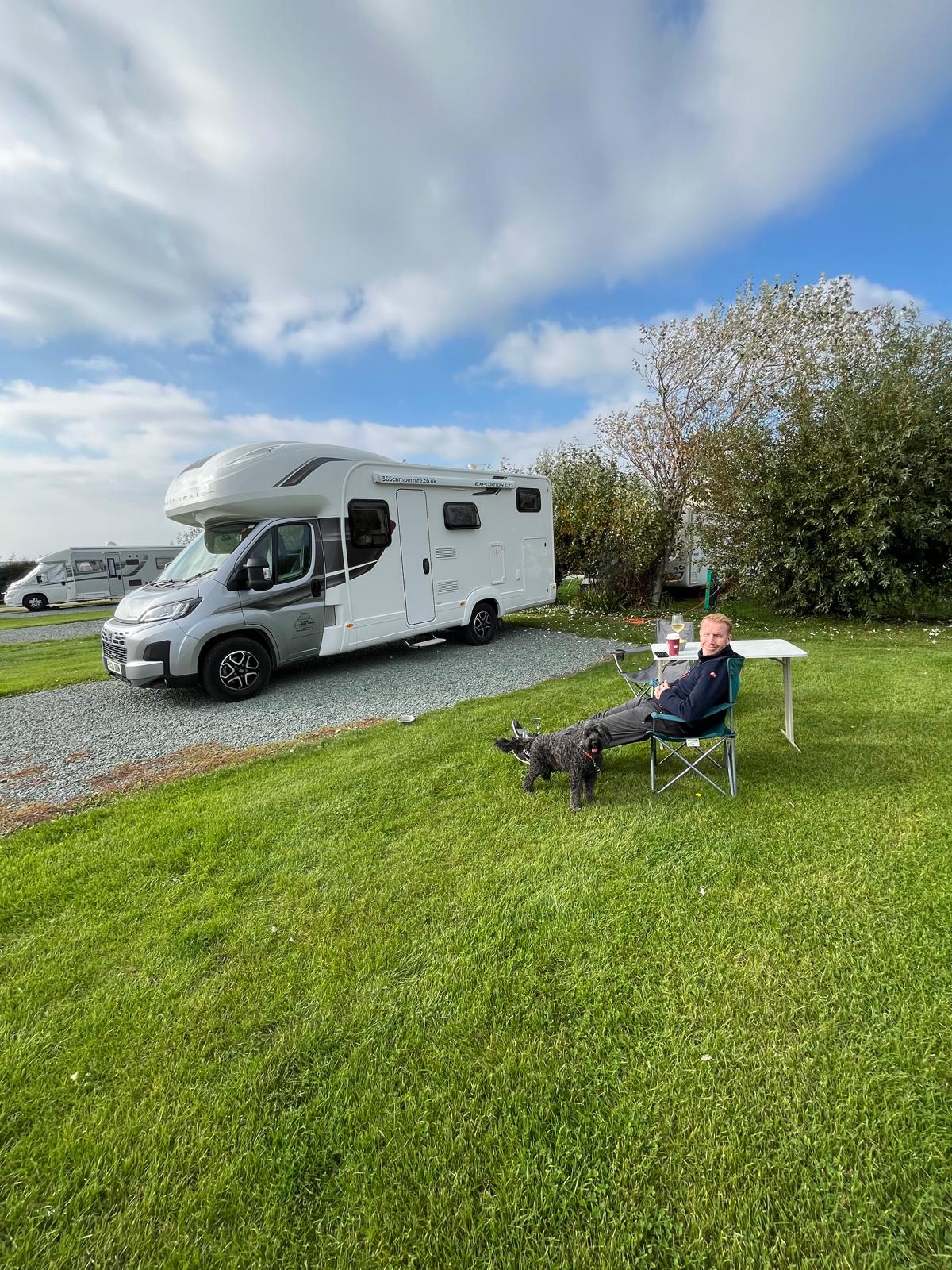
Motorhome and campervan holidays are an excellent way to experience nature without sacrificing comfort. Here are some of the key benefits:
Freedom and Flexibility
When you hire a campervan, you gain the freedom to design your own adventure. With no fixed schedules, you can explore at your own pace, stop wherever something catches your eye, and adjust your plans whenever you like. This flexibility is one of the biggest reasons travellers choose campervans hire for their holidays.
Comfort on the Road
Modern motorhomes and campervans are designed for comfort. Whether you hire a campervan or opt for a larger motorhome, you’ll enjoy cosy sleeping areas, fully equipped kitchens, and plenty of space to relax. It’s the perfect way to enjoy home-like convenience while surrounded by breathtaking landscapes.
Cost-Effective Travel
Choosing campervans hire can be more cost-effective than booking hotels and flights separately. Because your accommodation and transport are combined, you save on travel expenses—and with your own kitchen on board, you can prepare meals instead of eating out, keeping your budget in check.
Ideal for Families and Groups
When you hire a campervan, it’s easy to bring the whole family or group along. Campervans and motorhomes offer spacious layouts and practical amenities that make travelling together enjoyable and stress-free. It’s a great way to bond, explore, and make lasting memories.
Popular Destinations for Motorhome and Campervan Holidays
The UK and Europe offer countless stunning destinations perfect for motorhome adventures. In the UK, favourites include the Lake District, Cornwall, the Scottish Highlands, and the Welsh coast—all offering beautiful scenery and excellent facilities.
Across Europe, countries like France, Spain, and Italy remain top choices for those looking to hire a campervan and explore diverse landscapes, rich history, and well-equipped campsites.
Check out our TOURS
Do I Need a Special Driving Licence to Hire a Motorhome or Campervan?
In most cases, you don’t need a special licence to hire a campervan or motorhome. In the UK, you typically must be at least 21 years old and have held a standard driving licence for at least two years, though some hire companies set a minimum age of 25.
If the vehicle exceeds 3.5 tonnes, you may need a Category C1 licence, which must be obtained separately. Most campervans hire options, however, fall within the standard licence requirements.
How Old Do I Need to Be?
Typically, the minimum age to hire a motorhome is 21, although some hire companies may have a higher minimum age (25). Some companies may also have an upper age limit, usually around 75. Always check the terms and conditions of the hire company to confirm their age requirements.
Are Motorhomes Safe on the Road? And What About When We Are Sleeping in Them?
Motorhomes are generally very safe on the road when well-maintained and driven responsibly. Whether you’re considering Motorhome hire for a short break or a longer adventure, you can expect modern safety features such as seat belts, airbags, and stability control.
Motorhomes are also designed with safe, secure sleeping areas, giving you peace of mind at night. Always park in legal, designated spots—such as campsites or official motorhome areas—and ensure the handbrake and stabilisers are properly applied before settling in.
Do I Need to Stay at Campsites, or Can I Sleep at the Side of the Road?
With Motorhome hire, you have the freedom to choose where you stay—but you must follow local regulations. Wild camping (sleeping at the roadside or in open nature) is illegal in some countries and restricted in others.
Although many motorhomes are equipped for off-grid stays with features like onboard toilets, water tanks, and leisure batteries, it’s often safest and most convenient to stay at official campsites or authorised motorhome stopovers. Always check local rules before attempting to wild camp.
What Type of Motorhome Might Suit Me?
When looking into Motorhome hire, it helps to understand the different types of motorhomes available:
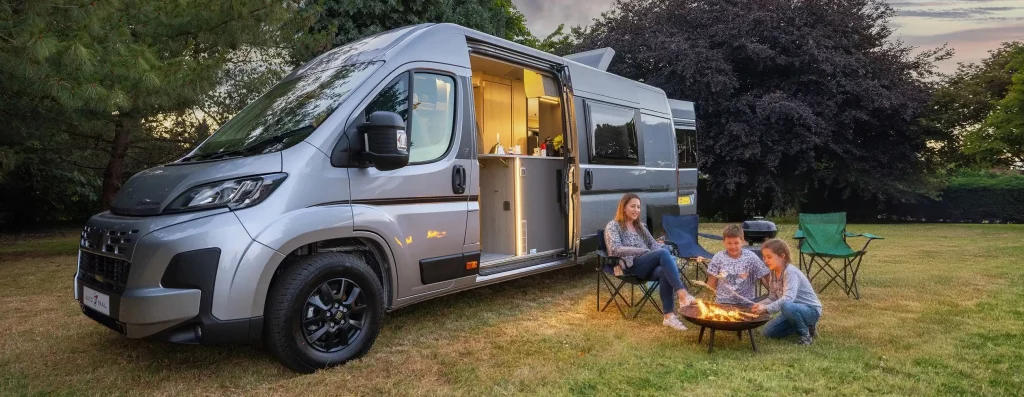
- Campervans: Compact, easy to drive, and ideal for couples or small families.
- Low-Profile Motorhomes: A great balance of interior space and easy manoeuvrability.
- A-Class Motorhomes: Spacious, luxurious, and perfect for families or travellers who want maximum comfort.
Choosing the right model ensures your trip is enjoyable and fits your travel style.
Who Will Be Travelling with Me?
Before booking your Motorhome hire, consider who will be travelling with you. Couples often prefer smaller campervans or compact motorhomes, while families or groups may need larger models with additional berths and seating areas.
Most motorhome hire providers offer a wide range of layouts to cater to solo travellers, couples, families, and small groups.
Can I Hire a Motorhome Big Enough for My Group?
Yes, Motorhome hire options come in a wide variety of sizes. You can choose from two-berth motorhomes for couples right up to six-berth models designed for families or groups.
Always check the layout and sleeping arrangements before booking to ensure the motorhome offers enough space and comfort for everyone in your group.
How Long Should I Plan to Be Away on My Journey?
The length of your motorhome holiday depends on your destination and plans. For a short break, 3-4 days is enough to get a taste of the experience. For longer road trips, consider 1-2 weeks or even longer. The flexibility of a motorhome allows you to extend your trip at your own pace if you wish.
European Travel
Is It Possible to Go to Europe in a Motorhome?
Absolutely — travelling to Europe in a motorhome is not only possible, it’s one of the best ways to explore the continent. Many motorhome rental companies allow cross-border travel, giving you the freedom to experience destinations such as France, Spain, Italy, Germany, and more.
When choosing a motorhome hire Europe or campervan hire Europe, make sure you’re covered with the correct insurance, understand local driving regulations, and carry any additional equipment required for each country.
When you hire a vehicle from 365CamperHire, everything you need for European travel is included in the price. That means you can enjoy your trip with total peace of mind — just choose your route and start your European motorhome adventure.
Sun, sea and sand… what’s not to love about touring Europe? At 365CamperHire.co.uk, we know that taking your caravan, campervan, or motorhome overseas for the first time can feel overwhelming. That’s why we’ve put together practical tips, travel advice, and essential information to make your first motorhome hire Europe journey simple and stress-free.
Helpful Tips for Motorhome or Campervan Hire in Europe
Whether you’re looking into motorhome hire Europe or planning a longer tour, it’s important to prepare properly. Our expert advice includes:
- Driving requirements and road rules for different countries
- Essential equipment for European travel
- Toll systems, low-emission zones, and ferry considerations
- Safety, security, and campsite tips
With the right preparation, your European motorhome holiday will be smooth, enjoyable, and unforgettable.
Is It Best to Stay Within the UK for Your First Trip?
If you’re completely new to motorhome or campervan travel, starting with a UK trip is a great idea. It allows you to get comfortable with the vehicle and driving style before venturing abroad. Once you feel confident, you’ll be ready to experience the freedom of touring Europe with a campervan hire Europe or motorhome hire Europe package.
At 365CamperHire, we also offer inspiration and route ideas for fantastic UK adventures to help you plan your very first trip.
The Best Places to Take a Motorhome or Campervan in the UK
Choosing a 365camperhire UK campervan rental is one of the best ways to explore the country’s stunning national parks, coastlines, and countryside. Whether you’re planning a short break or a longer adventure, travelling with a campervan rental UK gives you freedom, comfort, and flexibility.
Scotland
Scotland is a dream destination for anyone using a motorhome rental.
Top spots include:
- Scottish Highlands – vast landscapes, scenic roads, and peaceful wild camping spots.
- Cairngorms National Park – perfect for hiking, wildlife watching, and outdoor adventure.
- Isle of Skye – dramatic views, waterfalls, and iconic landmarks.
Wales
Wales is ideal for travellers choosing a campervan rental who want a mix of mountains and coast:
- Snowdonia National Park – rugged peaks and charming villages.
- Pembrokeshire Coast National Park – colourful seaside towns and beautiful beaches.
England
England offers some of the best motorhome-friendly routes in the UK:
- Lake District – perfect for lakeside drives, walking trails, and scenic viewpoints.
- Cornwall – turquoise waters, surfing beaches, and stunning cliff-top campsites.
- Cotswolds – chocolate-box villages and rolling countryside.
Southern England
Ideal for both UK campervan rental and motorhome rental road trips:
- Dorset – home to the impressive Jurassic Coast.
- Devon – sandy beaches, moorland drives, and cosy coastal towns.
- New Forest – woodlands, wild ponies, and relaxed family-friendly campsites.
How Far Should You Travel Each Day?
When travelling by campervan rental UK, flexibility is your greatest advantage. You can stop whenever something catches your eye, adjust your pace, and enjoy the journey without rush.
Recommended Driving Distances
- 150–250 miles (240–400 km) per day for most travellers
- 100–150 miles (160–240 km) for families with younger children
Starting early, travelling during daylight hours, and planning occasional rest days helps you get the most from your motorhome rental experience. Many travellers find that relaxed pacing leads to more memorable moments.
365CamperHire can help you design a personalised UK road trip route to suit your pace and preferences—perfect for those renting a campervan or motorhome in the UK for the first time.
Useful Motorhome Features
When choosing your UK Campervan Rental or Motorhome Rental, look for features that enhance comfort and convenience:
- Toilet & Shower – great for longer journeys or remote camping
- Fully Equipped Kitchen – ideal for cost-effective meals
- Heating & Air Conditioning – essential for year-round comfort
- Solar Panels – perfect for off-grid stays
- Awning – adds extra outdoor living space
Facilities in a Campervan or Motorhome
Features vary by model, but many campervan rental UK options include:
TV & Entertainment
- Built-in TVs available in many higher-spec models
- TV upgrades or optional extras offered by some rental companies
- Freeview or satellite TV depending on the setup
- Streaming available if your campervan has Wi-Fi or if you bring a mobile hotspot
If a TV is important to you, always check with 365CamperHire when booking your motorhome rental.
Motorhome Heating Systems
365camperhire’s All modern UK Campervan rental and Motorhome rental vehicles come equipped with efficient heating to keep you warm in cooler weather.
Types of Heating
- Gas Heating (Truma, Webasto) – fast, efficient, and common in most rentals
- Diesel Heating – runs from the main fuel tank; great for long-distance trips
- Electric Heating – available when connected to campsite power
Most vehicles also include hot water systems for showers and sinks.
Safety First
Motorhome heating systems are designed with:
- Proper ventilation
- Carbon-monoxide-safe exhaust systems
- Overheat protection
- Automatic shut-off functions
Is Heating Included With 365CamperHire?
Yes—365CamperHire’s UK campervan rental options all come with reliable heating systems, whether gas, diesel, or electric. If staying warm is a priority, simply ask about the heating features in the model you’re interested in.
How do I plan my road route?
Planning your road route for a motorhome trip is essential to ensuring a smooth, enjoyable journey. Here’s a comprehensive guide to help you plan your route effectively, with some motorhome-specific tips!
Consider Your Motorhome’s Limitations
Before you start planning your route, keep in mind that motorhomes are different from standard cars, so you’ll need to factor in a few important considerations:
Height and Width: Motorhomes are taller and wider than regular vehicles, so check if your route includes any low bridges or narrow roads. Some GPS devices or apps specifically for motorhome routes can help avoid these obstacles.
Weight Limits: Make sure your planned routes don’t include any roads or bridges with weight restrictions that might not be suitable for your vehicle.
Fuel and Refueling: Motorhomes can consume more fuel than a regular car, so plan your stops accordingly. Ensure you know where fuel stations are located, especially for LPG refills (if needed).
Decide on the Duration and Distance of Your Trip
How Much Time?: Start by deciding how long you want to travel each day. As a rule of thumb, aim for 3 to 4 hours of driving per day if you’re new to motorhome travel. You may need to stop for breaks, sightseeing, or meals.
Distance Between Stops: Motorhomes are generally slower than cars, and frequent stops are more likely. It’s recommended to plan no more than 100–150 miles (160–240 km) of driving per day if you’re going through scenic routes or unfamiliar roads.
Use Motorhome-Friendly Route Planning Tools
There are several motorhome-specific apps and websites designed to help you plan the safest and most efficient routes. Some options include:
Campercontact: A great resource for finding motorhome-friendly campsites, parking areas, and other motorhome services across Europe. It also has a route planner that accounts for motorhome-specific restrictions.
Park4Night: Another useful app to find camping and overnight parking options. It also allows you to plan routes based on the availability of services for motorhomes.
Google Maps: You can use Google Maps for basic route planning, but it doesn’t account for motorhome-specific needs, like height restrictions or road types. Use it as a starting point, then check for road restrictions elsewhere.
CoPilot or Sygic: These navigation apps are tailored for motorhomes and RVs, taking into account vehicle size and height, and helping you avoid unsuitable roads.
Plan Your Stops
When planning your route, include rest stops and overnight stays at campsites or motorhome parks. Consider the following:
Campsites and Motorhome Parks: Look for motorhome-friendly campsites or dedicated parking areas that allow you to safely park overnight. Websites like CampingCard International, Campercontact, and ACSI can help you find sites across Europe.
Public Parking or Wild Camping: In some regions, wild camping (sleeping in your motorhome in designated areas outside of campsites) is allowed. However, always check the local regulations to avoid any fines.
Attractions and Points of Interest: Include stops at scenic spots, historic landmarks, or natural wonders. Apps like Roadtrippers or ViaMichelin can help you find interesting detours.
Fuel and Rest: Identify gas stations and places to rest along your route, especially in more remote areas where services may be sparse. Make sure to stop for food, fuel, and bathroom breaks.
Choose Scenic or Scenic and Practical Routes
One of the joys of traveling by motorhome is the ability to enjoy scenic drives, but don’t forget to also plan for practicality. Some scenic routes might not be suitable for motorhomes, especially if they’re narrow or winding. Here are some tips:
Avoid Motorways When Possible: While motorways are faster, smaller roads or scenic byways offer much more to see. Plan routes through mountain passes, coastal roads, or villages.
Use Travel Books: Look for motorhome travel books that highlight the best scenic routes, or search for “best motorhome routes in Europe” online to get inspiration for your trip.
Check Road Conditions: Some mountain or coastal routes can be steep, narrow, or winding, which might not be suitable for large motorhomes. Avoid tight curves and ensure there are appropriate pull-offs for any breaks.
Consider the Weather
Weather plays a significant role in road conditions. In particular, avoid:
Mountain Roads in Winter: In mountainous regions, roads can be treacherous during winter due to snow or ice. Plan to travel in the warmer months if possible or check the weather forecasts ahead of time.
Flooding or Storms: Ensure you’re prepared for unexpected weather by checking the weather forecast during your journey and adjusting your route if needed.
Check Road Rules and Regulations
Every country in Europe has different driving rules, so make sure to familiarize yourself with:
Speed Limits: Motorhomes may have lower speed limits than cars, so always check the limits for vehicles of your size and type.
Tolls and Fees: Many European countries have tolls on highways or for crossing specific bridges and tunnels. Research the toll systems in the countries you’ll be visiting.
Parking and Overnight Restrictions: Some areas may restrict overnight parking or wild camping. Check local regulations regarding motorhome parking before stopping.
Prepare for Emergencies
Emergency Contact Numbers: Save the emergency contact numbers for breakdown services, hospitals, and local police.
Roadside Assistance: Ensure your motorhome hire company provides roadside assistance for issues like breakdowns or flat tires.
Essential Tools: Carry basic tools, including a spare tire, jack, and any other essential maintenance items in case of emergency.
Additional Tips
Fuel and LPG: Plan refueling stops ahead of time. If you’re using LPG for heating or cooking, check that LPG stations are available along your route.
Local Sim Card: If you’re planning to use a lot of data, consider getting a local SIM card in Europe to access the internet and route planning tools more efficiently.
Planning your route in a motorhome is key to a successful trip. Use motorhome-specific tools, apps, and websites to ensure your route is safe and enjoyable. Make sure to consider factors like road limitations for motorhomes, campsite and parking options, and local regulations. And don’t forget to factor in the weather, scenic spots, and fuel stations along the way!
By carefully planning, you’ll maximize your enjoyment and minimize the stress of navigating through unfamiliar regions. Enjoy the adventure!
Can you suggest any websites that can help me find campsites to stay at?
Certainly! There are several excellent websites and apps that can help you find motorhome-friendly campsites across Europe and the UK. These platforms often include detailed information about facilities, reviews, and booking options. Here are some of the best ones:
Campercontact
Website: Campercontact
Overview: This website is one of the best resources for finding motorhome parking and campsites. It includes a wide selection of motorhome-friendly campsites, as well as service areas where you can park and take care of basic needs (water, waste disposal, etc.).
Features:
Search by location or route.
Detailed information about each location, including facilities, prices, and opening times.
User reviews to help you decide.
Available as an app for on-the-go planning.
Park4Night
Website: Park4Night
Overview: A fantastic app and website that allows motorhome owners and renters to find both campsites and wild camping spots across Europe.
Features:
You can search by location, category (camping, parking, service areas), or by amenities (electricity, water, showers).
User-generated content, so you can read real-time reviews and tips from fellow travelers.
It includes a map feature to help you navigate directly to the spots.
ACSI
Website: ACSI Eurocampings
Overview: ACSI provides a comprehensive directory of motorhome campsites across Europe. They specialize in providing high-quality sites for motorhome and campervan owners, often at discounted rates in the off-season.
Features:
ACSI Campsite Guide and ACSI Campsite Cards for discounted rates at many campsites.
A mobile app for easy location searching and filtering.
Detailed descriptions of campsite facilities and user reviews.
Pitchup
Website: Pitchup
Overview: Pitchup is a UK-based site that offers motorhome camping options across Europe. It features a variety of sites, from simple fields to glamping or more luxurious campsites with full amenities.
Features:
Filter search results based on your needs (pet-friendly, swimming pools, WiFi, etc.).
Reviews from fellow campers.
Direct booking option, making it easy to secure your spot.
CampingCard International
Website: CampingCard International
Overview: This site is great for motorhome travelers who want to get access to discounts at campsites across Europe. The CampingCard membership gives discounts for stays at over 2,500 campsites.
Features:
Discounts on campsites in Europe (typically 15% off).
Search for motorhome-friendly campsites.
A printable map and detailed campsite info.
MotorhomeFun
Website: MotorhomeFun
Overview: This website is tailored for UK motorhome owners but has a community-driven forum where people share information about campsites, service areas, and helpful travel tips for motorhome users.
Features:
User forums and site reviews.
Recommendations for wild camping spots and motorhome-friendly locations.
Local meet-ups and events for motorhome travelers.
Campsites.co.uk (UK Only)
Website: Campsites.co.uk
Overview: If you’re traveling within the UK, this site is an excellent resource to find motorhome-friendly campsites. It offers detailed descriptions, pricing, and photos of campsites.
Features:
Search filters for motorhome and campervan users.
Locations throughout the UK.
Easy online booking options.
The Caravan Club (UK Only)
Website: Caravan Club
Overview: The Caravan Club is a great option for motorhome and campervan travelers in the UK, offering detailed information about campsites, including those that are motorhome-friendly.
Features:
UK-based and Europe campsites.
Online booking system.
Detailed site reviews and recommendations from fellow travelers.
UK Campsite
Website: UK Campsite
Overview: This site is a great option for those traveling around the UK. It includes a comprehensive database of campsites, along with reviews and ratings from motorhome users.
Features:
Detailed reviews and ratings from campers.
Filter searches for motorhome-friendly campsites.
Booking options directly through the site.
These websites and apps provide valuable resources for planning your motorhome trip by helping you locate campsites, overnight parking, and wild camping spots across Europe and the UK. Some even offer discounts for motorhome travelers or allow you to book directly online.
Make sure to check out the features that matter most to you, like electric hook-ups, pet-friendly policies, and Wi-Fi availability, and don’t forget to review any traveler tips and feedback! Happy camping!
Ready to Hit the Road with 365CamperHire?
Whether you’re planning a weekend getaway or a cross-country adventure, 365CamperHire is here to make your motorhome or campervan experience unforgettable. With a fleet of modern, fully-equipped vehicles and exceptional customer service, we ensure you travel in comfort and style.
Book Your Motorhome or Campervan Today!
Flexible Hire Options: Rent for a weekend, a week, or even longer.
Top-Quality Vehicles: Our fleet is equipped with everything you need for a stress-free journey.
Best Value for Money in Hampshire: Affordable rates without compromising on quality.
Local Expertise: Let us help you plan your trip with insider knowledge of the best destinations.
Get Started Now:
Visit 365camperhire.co.uk to view our fleet and check availability.
Have questions? Contact us at 01252 214 365 or email jonathan@365camperhire.co.uk – we’re happy to help!
Ready to reserve your vehicle? Fill out our easy online booking form, and we’ll take care of the rest!
Adventure awaits – let 365CamperHire be your trusted partner on the road! 🚐💨
By considering these factors and planning ahead, your motorhome holiday can be a fantastic and memorable experience! Whether you are a first-time traveler or a seasoned road tripper, a motorhome holiday offers the freedom to explore the world at your own pace.
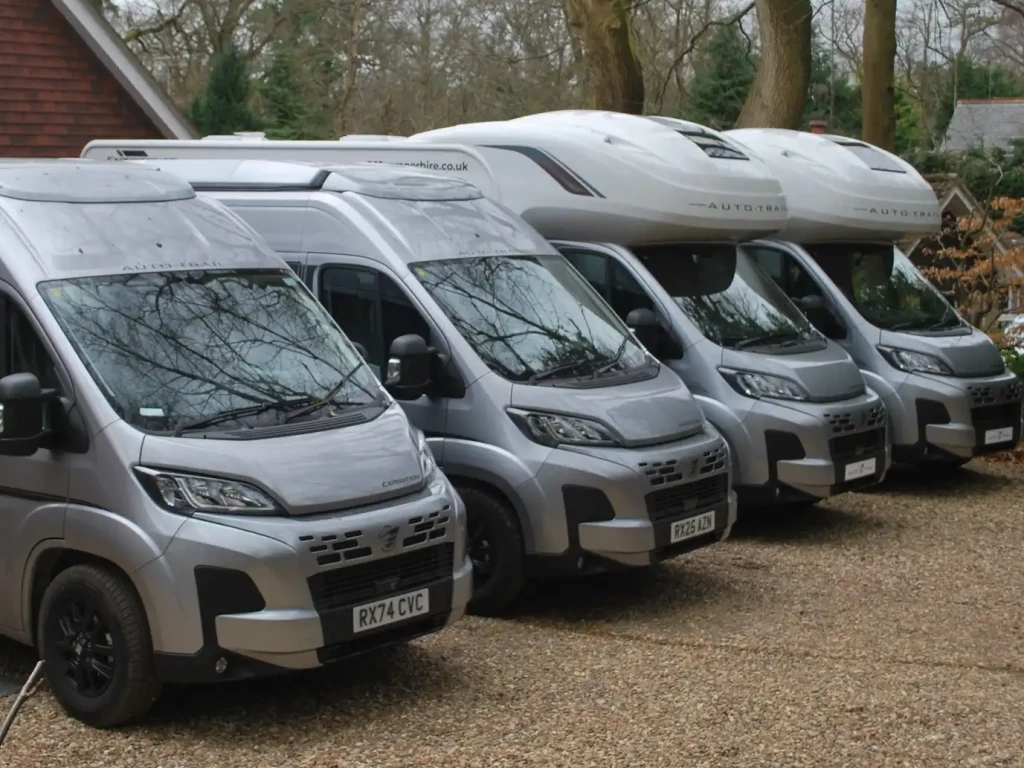
When a motorhome is described as having 5 berths but only 4 travel seats, it means:
5 Berths
The motorhome can sleep up to 5 people. This refers to the number of beds available in the vehicle, which could include:
Fixed beds (e.g., a double bed and a single bed).
Convertible beds (like a dining table that converts into a bed or a pull-out sofa).
4 Travel Seats
This refers to the number of approved seats that are equipped with seat belts for travel in the vehicle.
Travel seats are those that are safe for passengers to sit in while the motorhome is moving. In the case of 4 travel seats, only 4 seats are legally allowed to be used while driving.
Why the Difference?
The berths (sleeping arrangements) are about where people can sleep when stationary.
The travel seats are about safety while on the road. Only seats that are equipped with seat belts and meet safety standards are considered travel seats.
In practical terms, this means:
You could have 5 people sleeping in the motorhome overnight, but only 4 people could legally travel at the same time, unless you make alternate arrangements for the fifth person (such as not having them travel or using a seat belt extender if allowed, depending on the vehicle).
What to Keep in Mind:
Safety First: Never allow anyone to travel in a seat without a seat belt, as this is illegal and unsafe.
Sleeping vs. Traveling: If you’re planning to travel with 5 people, make sure you’re comfortable with the idea that one person will need to sit in a seat that isn’t a travel seat or use another form of transport.
Detailed Info on Vehicle Safety and Planning Seating for Your Trip
When traveling in a motorhome, campervan, or RV, safety is paramount, especially when it comes to how people travel within the vehicle. Let’s break down key safety considerations and seating arrangements for your trip.
Safety First: Traveling in a Motorhome
Seat Belts and Travel Seats
Only travel in approved travel seats that have seat belts. In most motorhomes, these seats are marked and designed to keep you safe while driving.
Never travel in unbelted seats, including beds that may look comfy but are not secured for travel. This is illegal and dangerous.
Seat Belt Regulations:
UK: Each passenger must have a seat belt if one is available. If the motorhome has more than 2 axles (e.g., larger models), it may be legally required to have additional travel seats.
EU: The regulations for seat belts vary, but many countries follow similar rules to the UK. Ensure that the motorhome complies with local road laws.
Can I Take Young Children Away in a Campervan?
Absolutely! Taking young children on a campervan holiday can be a fantastic way to explore together, make memories, and enjoy the freedom of the open road. It’s like bringing your home along with you—just on wheels. That said, there are a few important things to keep in mind to make sure your trip is safe, comfortable, and fun for everyone, especially the little ones.
First, safety is key. In the UK, children under 12 years old or shorter than 135 cm need to be in a car seat or booster seat. So, when renting a campervan, you’ll want to make sure it has the right seat belts and enough space for car seats. Not all campervans are designed the same—some may have limited seat belt positions—so it’s a good idea to check with the rental company in advance to be sure they can accommodate your needs.
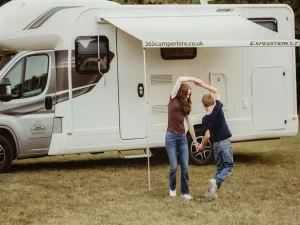
Sleeping arrangements are another thing to think about. Most campervans have flexible sleeping spaces, and many convert seating into beds. Still, if you have very young children, you might want to bring extra bedding, a travel cot, or even a sleeping bag to make sure they’re snug and safe at night. Some families also find that a familiar blanket or stuffed toy helps their child settle in more easily.
While campervans offer more room than a car, that extra space can also be a bit tricky when the vehicle is moving. Kids should always be safely buckled in while driving. And when parked, it’s a good idea to keep small objects out of reach to avoid any unexpected mishaps.
Keeping kids entertained on the road is another must. Campervans don’t have unlimited space, so pack smart—snacks, toys, books, and a few favorite games can go a long way. Planning regular breaks where the kids can stretch their legs, play, or just enjoy the scenery will help keep everyone in good spirits. Quiet activities can also come in handy for evenings or longer drives.
Temperature control is also worth thinking about. Campervans usually have heating and ventilation, but it’s worth checking whether your rental includes air conditioning or effective heating, especially if you’re traveling during the hotter or colder months. Kids can be more sensitive to temperature changes, so keeping the interior comfortable makes a big difference.
When choosing your campervan, size matters. A larger motorhome may give you more space and separate sleeping areas, which can be great for families. On the other hand, a smaller one might be easier to drive and park. Think about what works best for your family, and make sure there’s room for essentials like a stroller, travel cot, or your child’s favorite toys.
If your children are very young, try to plan shorter driving days with plenty of stops for snacks, bathroom breaks, and a bit of playtime. Long stretches on the road can be tough for little ones, so choosing scenic routes with fun stops along the way will make the journey more enjoyable for everyone.
When it comes to destinations, look for family-friendly campsites or holiday parks. Many have playgrounds, nature trails, and child-friendly amenities that make life easier and more fun for parents and kids alike.
And finally, a few helpful tips: bring familiar comfort items from home to help your children settle in, make sure the campervan has kitchen facilities so you can prepare simple meals or snacks, and keep essentials like wipes, nappies, and medications within easy reach.
A campervan trip with young children can be a truly special adventure. With some thoughtful planning and a campervan that fits your family’s needs, you’ll be all set for a memorable and stress-free holiday. Companies like 365CamperHire are experienced in helping families hit the road and can guide you toward the perfect vehicle for your trip—so you can focus on enjoying the journey together.
Traveling with Children
Children must have a proper child seat according to their age, weight, and height. This can be a booster seat or a car seat, and it must be placed in a travel seat with a seat belt.
ISOFIX System: If your motorhome has ISOFIX connectors (which is common in newer models), you can securely install compatible child seats.
Special Consideration: Some motorhomes may have travel seats that are suitable for children, while others may only have full-sized adult seats. Be sure to ask the rental company for details about the seats and any specific requirements for children.
Tips for Traveling with Kids in a Motorhome
Safety First with Child Seats

Ensure the child’s seat is secure: Always check that your child’s seat is installed according to the manufacturer’s instructions. ISOFIX is the safest option if your vehicle is equipped with it.
Pack extra seat belt extenders if traveling with older children who may need a bit more room, but remember, safety and comfort should always come first.
The rules on motorhome carseats and seatbelts
Consider a travel booster seat: For young children, especially when you don’t have enough space for a full car seat, an inflatable booster seat is a compact and portable option.
Entertainment for Kids During the Drive
Pack travel-friendly games: Compact travel games (e.g., card games, magnetic board games) are great for keeping children engaged without taking up too much space.
Download movies or audiobooks: Tablets or portable media players with movies or audiobooks can be lifesavers on longer drives.
Music playlists: Create family-friendly playlists with songs everyone can enjoy to keep the mood light.
Kids’ travel journals: Encourage kids to keep a simple travel journal, drawing places they visit or noting down their favorite parts of the journey.
Plan for Regular Breaks
Stop every 2-3 hours: Even though you’re in a motorhome, it’s important to take breaks to let the kids stretch their legs and get some fresh air. Stopping at scenic spots can make the journey even more exciting for them.
Explore on foot: Give them time to explore at rest stops or scenic areas. A short walk will help everyone feel refreshed.
Outdoor play: Plan stops where the kids can run around and play—this keeps energy levels up for the next leg of the journey.
Pack Snacks and Drinks for the Road
Healthy snacks: Pack easy-to-eat snacks like granola bars, fruits, nuts, and crackers. Having a few treats on hand can help avoid hungry tantrums.
Hydration: Always keep plenty of water on hand, especially during hot weather or long drives. Hydration is key for everyone’s energy and mood.
Do campervans or Motorhomes have isofix?
Yes, many campervans and motorhomes now offer ISOFIX anchor points for child car seats, but it’s not universal across all models. ISOFIX is a system that allows child car seats to be securely attached to a vehicle without using the car’s seatbelt, making it easier and safer to install.
Things to Consider:
Availability of ISOFIX:
Modern motorhomes and campervans are increasingly being designed with ISOFIX compatibility in mind. However, it’s important to note that not all vehicles—especially older models—will have ISOFIX points.
If you’re hiring a campervan or motorhome, it’s best to confirm with the rental company beforehand whether the vehicle has ISOFIX points, especially if you are planning to use a child car seat.
Position of ISOFIX:
ISOFIX points are typically located in the rear seats, but in larger motorhomes or campervans, they may also be available in certain forward-facing seats. It’s important to ask the hire company where exactly the ISOFIX points are located in the vehicle.
In some larger motorhomes, the ISOFIX points might only be available in specific areas, so you may need to plan your seat arrangement accordingly.
Types of Child Seats:
If your child’s car seat requires ISOFIX, double-check that the seat you’re planning to use is compatible with the ISOFIX system in the campervan or motorhome.
For younger children, many campervans or motorhomes may offer options for rear-facing seats as well. Always ensure the seat is properly installed according to the manufacturer’s guidelines for both safety and comfort.
Alternative Options:
If the campervan or motorhome you’re hiring doesn’t have ISOFIX, you can still use seat belt-installed car seats. Many child seats are designed to be easily installed using regular seat belts and can still offer a high level of safety.
Some vehicles may also have top-tether anchors, which are used to secure certain child seats.
What You Should Do:
Check Before Booking: When renting a campervan or motorhome, make sure to inquire about the availability of ISOFIX points and whether the vehicle can accommodate the specific car seat you plan to use.
Ask About Additional Safety Features: In addition to ISOFIX, some campervans may offer additional safety features for children, like airbags that can be deactivated, seat belt adjusters, and anchor points for securing prams or other travel gear.
At 365CamperHire, their friendly staff can assist in making sure the vehicle you choose has everything you need for a safe and comfortable trip with your little ones, including ISOFIX compatibility if required!
How Do I Keep My Kids Occupied While Traveling in a Campervan?
Traveling with kids in a campervan can be a great adventure, but let’s be honest—keeping them entertained during the journey is key to keeping the whole trip fun and stress-free. Whether you’re on the road for a couple of hours or spending days exploring, having a few tricks up your sleeve can make all the difference.
First off, plan plenty of stops. Kids need to stretch their legs, run around, and burn off some energy. Find scenic rest areas, parks, or even little nature spots where they can explore and play. Even something as simple as collecting cool leaves or rocks can become a fun part of the trip.
Inside the van, it helps to have a variety of activities ready to go. Think sticker books, drawing pads, travel games, and compact toys—basically anything that doesn’t involve a thousand tiny pieces flying around with every bump in the road. Magnetic games or simple interactive toys work really well, especially when you’re in motion.
Of course, screen time can be a lifesaver, especially on long drives. Load up a tablet with movies, shows, or educational apps before you leave so you’re not relying on Wi-Fi. You can also mix in audiobooks or kid-friendly podcasts to give their eyes a break and still keep them entertained.
Classic road trip games like “I Spy,” “20 Questions,” or even spotting license plates from different countries can be surprisingly fun and get the whole family involved. And for a little learning on the go, try giving your kids some simple challenges—like finding facts about places you’re visiting or keeping a travel journal with drawings and notes about each stop.
Music is another great way to pass the time. Create a playlist of their favorite songs, have a family sing-along, or even do a little on-the-road karaoke with a phone and microphone. It doesn’t have to be fancy—just fun.
Snacks are another secret weapon. Pack a variety of healthy (and a few special) treats to hand out during the drive. Surprise snack bags every few hours can be a big hit and give kids something to look forward to.
If your campervan has the space, set up a little nook where your kids can play, read, or just chill. Bring a few cozy pillows and blankets to make it feel like their own little den. And don’t underestimate the power of rest—sometimes, a quiet nap or a bit of downtime can reset the mood for everyone.
Lastly, involve your kids in the journey. Let them help pick a stop on the map, choose the next playlist, or come up with a game for the road. When they feel included, they’re more likely to stay engaged and excited.
At the end of the day, it’s all about balance. Mix up the activities, allow for some downtime, and be flexible. Sometimes, just watching the world go by through the window can be entertainment enough. With a bit of planning and a good sense of humor, traveling in a campervan with kids can be one of the best family memories you’ll make.
Seating Arrangements for Long Trips
For a comfortable and safe journey with your family or group, consider these tips:
Number of Travel Seats vs. Berths
Travel Seats are for moving, Berths are for sleeping.
If your motorhome has 5 berths but only 4 travel seats, one person must be seated elsewhere while traveling or use public transport for part of the journey. For example:
A fifth person might need to sit in a non-travel seat (e.g., a side bench) if the law and safety guidelines allow. However, they won’t be protected by a seat belt.
Alternatively, for comfort and safety, you might need to arrange alternate transport for the fifth passenger, such as a second vehicle or train.
Properly Use the Sleeping Areas
Fixed beds (e.g., rear or over-cab beds) are great because they don’t need to be converted from seating.
Convertible beds (e.g., dinette that turns into a bed) are perfect for extra flexibility, but be sure that sleeping arrangements are comfortable and safe.
Always ensure that everyone has a designated sleeping area (a seat at night) to avoid crowding or sleeping on the floor, especially for long trips.
Vehicle Weight and Capacity
Weight Limits:
Be mindful of weight distribution. Motorhomes are designed to carry a specific weight, and overloading can compromise safety, including handling and braking. Always follow the weight guidelines specified by the manufacturer.
If you’re traveling with extra passengers or gear, check if you’re exceeding the maximum weight limit of your motorhome.
Storage Space:
Storage is another important factor—motorhomes with more people onboard need more storage for luggage and equipment. Some larger motorhomes have external compartments or bike racks to accommodate this, while others may require you to pack more efficiently.
Secure loose items inside the motorhome to prevent them from becoming projectiles in the event of sudden stops or an accident.
Planning for Long-Term Comfort and Safety
If you’re planning an extended trip, here are a few things to ensure comfort and safety during your journey:
Breaks and Rest Periods:
When driving for long periods, take regular breaks to avoid fatigue. Rest stops or scenic areas are great places to stretch and have a rest, especially when traveling with children.
If you’re traveling across several countries, make sure to familiarize yourself with local road rules, speed limits, and stopping points, which can vary.
Emergency Kit:
Keep an emergency kit in your motorhome that includes:
- First aid kit
- Fire extinguisher
- Roadside assistance contact
- Basic tools and spare parts
- Reflective triangles or emergency lights
- Breathalyzer for travel in the EU
Emergency Situations
In case of emergencies:
Always have a plan for breakdowns, accidents, or medical situations. Have a roadside assistance number and ensure your insurance covers emergencies abroad if traveling to Europe.
Know where the nearest hospital or emergency services are located, especially in remote areas.
By taking these steps and planning the seating arrangements and safety measures carefully, your family will have a safe, comfortable, and enjoyable motorhome experience.
Here are some tips for smoother travel when you’re taking an extended motorhome trip with kids and managing your vehicle’s capacity:
Managing Vehicle Capacity & Comfort
Know Your Vehicle’s Capacity
Check your motorhome’s weight limits: Ensure you don’t exceed the weight limit, as it can affect handling and fuel efficiency. If you’re traveling with extra luggage or gear, make sure to distribute it evenly to avoid overloading one side.
Maximise storage: Pack efficiently and use every storage compartment available. Invest in organisers or bins to help keep things tidy.
Use external racks: If your motorhome has a bike rack, roof box, or external storage compartments, use them to keep the interior less cluttered and comfortable.
Maximise Comfort on the Road
Temperature control: Keep blankets or additional clothing handy for cooler evenings, but also ensure your heating system is working well. If you’re traveling in a hot climate, make sure the air conditioning is functioning properly.
Bedding: For long trips, use comfortable pillows and bed linen that makes your sleeping space feel like a home away from home.
Ventilation: Make sure you have a good airflow inside the motorhome, especially when traveling in warmer weather. Small fans can be helpful if the motorhome doesn’t have an air conditioning unit.
Safety Checks Before Departing
Vehicle inspections: Check the vehicle before each leg of your journey—especially tire pressure, oil levels, water, and gas.
Secure loose items: Anything that’s not fastened down (especially in an overhead compartment or storage area) should be packed securely to avoid it shifting during the drive.
Adapt to New Environments
Familiarise yourself with local rules and regulations: When traveling abroad, be aware of driving laws, speed limits, and road signs that might differ from what you’re used to.
Use GPS and offline maps: If you’re heading to remote areas or off the beaten path, having an offline map or a reliable GPS app is a must.
Campsites and rest stops: Research places to stop that offer amenities for kids—playgrounds, family bathrooms, or pet-friendly stops are ideal for long breaks.
Tech Tips to Make Life Easier

Wi-Fi and Entertainment
Use portable Wi-Fi or local SIM cards with data plans for internet access during the trip. This can be helpful for downloading music, movies, and navigation apps.
Portable chargers and power banks: Ensure you have enough power to keep devices charged—especially in remote areas where plug points may not be readily available.
Apps for Family Travel
Use apps like Park4Night (for finding campsites and free parking spots), Campercontact (for motorhome-friendly stops), and Google Maps for route planning.
For kids, there are apps that offer interactive road-trip games and educational games to keep them entertained during the journey.
Making the Motorhome a Comfortable Home
Personal Touches:
Bring along a few familiar items (family photos, a favorite blanket, or a special pillow) to make the space feel more like home.
Consider a decorative touch in the motorhome, such as small plants or fairy lights, to create a cozy atmosphere.
Help Your Kids Feel at Home:
Assign tasks: Give each child a simple job to help them feel involved. They could be responsible for keeping a travel journal, helping with navigation, or making sure their personal belongings are organized.
Safety: Teach kids to always stay seated when the vehicle is moving. You can also involve them in checking that seat belts are fastened.
Why 365CamperHire is Your Best Choice in Hampshire
If you’re looking for a reliable and customer-focused motorhome or campervan hire service in Hampshire, 365CamperHire stands out as an exceptional choice. Here’s why:
Customer-Oriented Service
At 365CamperHire, the team prides itself on offering personalized service. They understand that every customer is different, and they go the extra mile to ensure your experience is tailored to your specific needs. From the first inquiry to the return of the vehicle, their team provides expert guidance and support every step of the way.
High Specification Vehicles
365CamperHire offers a range of modern, fully equipped motorhomes and campervans that are perfect for any adventure. Their fleet is designed with high specifications to ensure comfort, convenience, and reliability. With fully functional kitchens, cozy sleeping areas, and modern bathroom facilities, you’ll have everything you need for a stress-free holiday.
Is Wi-Fi available in Motorhomes?
Yes, Wi-Fi can be available in motorhomes, but it largely depends on the motorhome and how it is equipped. Here are some things to consider regarding Wi-Fi while on the road in a motorhome:
Wi-Fi Provided by the Hire Company
Some motorhome hire companies (like 365CamperHire) may offer Wi-Fi as an optional extra when you rent a motorhome. This could be a portable Wi-Fi hotspot device or an in-built system that connects to mobile data networks. If this service is offered, it’s typically at an additional cost, so make sure to ask about it when booking. Why take a portable Wi-Fi router when camping?
Check the Coverage: Even if a motorhome is equipped with Wi-Fi, keep in mind that coverage might not be available everywhere. Remote areas or regions with poor mobile signal will limit your internet connection. It’s a good idea to check with the hire company about the quality of coverage they provide and any specific restrictions or limitations.
Personal Mobile Hotspot
Mobile Data Plans: If your motorhome doesn’t have built-in Wi-Fi, you can use your smartphone or tablet as a mobile hotspot to provide Wi-Fi for other devices. This requires a data plan with sufficient mobile data allowance, so make sure you have an appropriate plan to avoid unexpected charges.
Portable Wi-Fi Router: You can also purchase or rent a portable Wi-Fi hotspot device, which uses a SIM card and mobile data to create an internet connection wherever you go. This can be a good option if you need a more stable internet connection and are traveling through areas with a stronger mobile signal.
Campgrounds and Wi-Fi
Wi-Fi at Campsites: Many campsites that cater to motorhome travelers provide Wi-Fi on their grounds. However, the quality and availability can vary greatly. Some campsites offer free Wi-Fi, while others charge for access or have limited connection speeds.
Wi-Fi Hotspots: As you travel, you might also come across public Wi-Fi hotspots in towns, cafes, or rest stops along your route. Just be cautious when connecting to public networks to protect your personal data.
Satellite Internet
Some high-end motorhomes may be equipped with satellite internet systems, which offer a more consistent connection when traveling in remote areas. However, these systems tend to be expensive and may not be available in rental motorhomes unless specifically requested.
Costs and Speed: Satellite internet can be costly and slower than mobile networks, so it’s typically not the most common option for most renters.
Data Roaming (International Travel)
If you’re planning to travel in Europe or outside the UK, be aware of data roaming charges. Using your mobile hotspot or internet through a UK data plan could result in higher costs, depending on your provider’s roaming fees. Be sure to check with your mobile provider about international roaming rates before you leave.
Tips for Managing Wi-Fi on the Road:
Download Offline Content: To avoid relying too much on Wi-Fi, download music, movies, books, or maps before you start your journey. This way, you can still stay entertained without worrying about internet access.
Use Wi-Fi Sparingly: Be mindful of your mobile data usage, especially if you’re relying on a personal hotspot or a mobile plan. Use Wi-Fi for essential tasks and save the heavy data usage (like streaming or downloading large files) for when you have access to stronger networks.
Plan for Connectivity Issues: Be prepared for occasional lack of Wi-Fi or mobile signal, especially in rural or mountainous areas. The journey itself is part of the adventure, so try to disconnect and enjoy the experience!
Wi-Fi is available in some motorhomes, either as an in-built feature, through a portable hotspot, or via campgrounds with Wi-Fi services. It’s important to consider your data needs, especially if traveling in remote areas. Before setting off, check with your hire company about their Wi-Fi offerings and whether it suits your requirements.
Can I use 365camperhire’s Wi-Fi whilst I am moving?
Regarding 365CamperHire’s Wi-Fi service, whether or not you can use the Wi-Fi while the motorhome is moving largely depends on the specific setup and the type of device they provide.
Here’s what you should consider:
Mobile Hotspot (Most Likely Option):
365CamperHire provides you with a mobile hotspot device or a Wi-Fi router, yes, you can usually use it while the motorhome is in motion. These devices typically use mobile data from the cellular network, meaning as long as you are within range of a mobile signal, you should be able to use the internet.
Keep in mind that the signal strength will depend on where you’re traveling. If you’re moving through areas with strong mobile coverage (like cities or major roads), you’ll have a better experience. In remote or rural areas with weak signal coverage, the Wi-Fi might be intermittent or unavailable.
Built-In Wi-Fi Systems:
If your motorhome has a built-in Wi-Fi system, it could depend on the specifics of the system and how it connects. Some systems might only be available when stationary, especially if they rely on local Wi-Fi networks (like at campsites).
However, if it’s a mobile data connection through a cellular network, you should be able to use the Wi-Fi while driving as long as there’s coverage.
Speed and Data Limits:
Data Speed: The speed of the connection might be slower if you’re moving, as it depends on the strength of the mobile signal at any given point during the journey.
Data Allowances: Be aware of any data limits if you’re using mobile hotspots. Some packages may have limited data, and it can run out quickly if multiple devices are connected or if you’re streaming media. Check with 365CamperHire about the specifics of any data limits or charges that apply.
Safety:
Distractions: While it’s tempting to use Wi-Fi for streaming or browsing, it’s important to stay safe. If you’re traveling with children or other passengers, it’s better to focus on enjoying the scenery and not rely too heavily on screens. Plus, it’s always important that the driver is focused on the road.
You can likely use 365CamperHire’s Wi-Fi while moving, as long as the Wi-Fi system is based on mobile data and you’re within a good signal area. However, it’s always a good idea to check directly with 365CamperHire to confirm whether their Wi-Fi service works while driving, and to get any details about the service, coverage, and data allowances.
Are motorhomes and Campervans easy to drive?
Driving a motorhome or campervan might feel a little unfamiliar at first, especially if you’re used to a standard car—but don’t worry, it’s something most people get used to pretty quickly. With a bit of preparation and a calm approach, it’s totally doable, even for beginners.
The main difference really comes down to size. Motorhomes are bigger and heavier than campervans, so they can feel a bit more challenging when it comes to things like parking, turning corners, or squeezing through narrow roads. If the motorhome you’re driving is over 3.5 tons, you’ll just want to take it slow and be mindful of your space, especially when maneuvering. Campervans, by comparison, are more compact—often not much bigger than a large car—which makes them easier to handle and a great option if you’re nervous about driving something large.
The driving position is another thing to get used to. In a motorhome, you’re seated higher up than in a regular car. This gives you a great view of the road but also means you’ll need to pay more attention to your height and width when driving through tight spots or overtaking. Campervans tend to feel more “car-like” in how they drive, so they’re often more familiar and comfortable for new drivers.
Maneuvering is where you might notice the biggest difference. Motorhomes, especially longer ones, can be trickier when it comes to turning or navigating small car parks. Thankfully, many come with reversing cameras and large mirrors, which help a lot. Campervans, being smaller and more agile, are generally much easier to park and great for exploring towns or countryside roads that are a bit more compact.
On the road, motorhomes can sometimes feel a little less stable, especially in windy weather or on twisty routes. They’re heavier, so taking your time with corners, braking, and accelerating is a good idea. Campervans, by contrast, often feel steadier and more responsive, which can make for a more relaxed driving experience.
One thing that often surprises people is the transmission. Many motorhomes still have manual gearboxes, which can be a bit of an adjustment if you’re not used to them. That said, there’s been a rise in automatic models, which make things much easier. Campervans are more likely to be automatic—especially newer ones—so that’s something to look out for if gear shifting isn’t your thing.
As for visibility, you’ll definitely want to be aware of blind spots in a motorhome. They tend to be taller and wider than what most of us are used to, so adjusting your mirrors and using your reversing aids is essential. Campervans offer better all-around visibility since they sit lower to the ground and have fewer blind spots.
So, are they easy to drive? In most cases, yes—they just require a slightly different mindset and a bit of practice. If you’re new to it, starting with a campervan can be a great way to ease into the experience. And before you know it, you’ll be cruising confidently, enjoying the journey just as much as the destination.
Tips for Making Driving a Motorhome or Campervan Easier:
Practice in a Safe Area: If you’re new to driving a large vehicle, it’s a good idea to practice in a quiet, safe area (like an empty parking lot) before heading out on the open road. Get comfortable with the dimensions of the vehicle, turning, parking, and using the mirrors.
Use Your Mirrors: Always be mindful of the size and width of your vehicle. Use all mirrors to keep track of other vehicles around you and to help with parking and reversing.
Plan Your Routes: Before heading out, plan your route to avoid narrow roads, tight corners, or areas where large vehicles may have difficulty passing. When driving in cities, look for designated motorhome or campervan parking areas.
Take It Slow: Especially when you’re just starting out, take your time on the road. Keep your speed within the speed limit and drive cautiously, particularly when making turns, navigating hills, or driving on narrow roads.
Know Your Vehicle: Familiarize yourself with the vehicle’s features and controls. Ensure you know how to operate things like the parking brake, heating, and lighting, and know the vehicle’s height, length, and weight so you can be cautious of overhanging branches or low bridges.
Use Technology: Many motorhomes come with rear-view cameras or sensors, which can make parking and reversing easier. Additionally, some campervans come equipped with GPS systems designed specifically for larger vehicles, which can help you avoid roads that are unsuitable for motorhomes.
In general, driving a motorhome or campervan can be easy with the right vehicle for your experience level and a little practice. If you’re new to driving a larger vehicle, starting with a campervan might be a good option as it’s easier to maneuver and park. Motorhomes, while larger and more challenging, can still be driven comfortably once you get accustomed to their size. Always take your time, plan your routes, and practice the basics of vehicle handling before setting off on your adventure. With the right preparation, driving a motorhome or campervan can be a fun and enjoyable experience!
Are automatic transmission motorhomes available to hire?
Yes, automatic transmission motorhomes are available to hire! While manual transmissions have traditionally been more common in motorhomes, the availability of automatic transmission motorhomes has increased, especially with the growing demand for easier-to-drive vehicles. Many rental companies, including 365CamperHire, now offer automatic motorhomes in their fleets for those who prefer a more relaxed and straightforward driving experience.
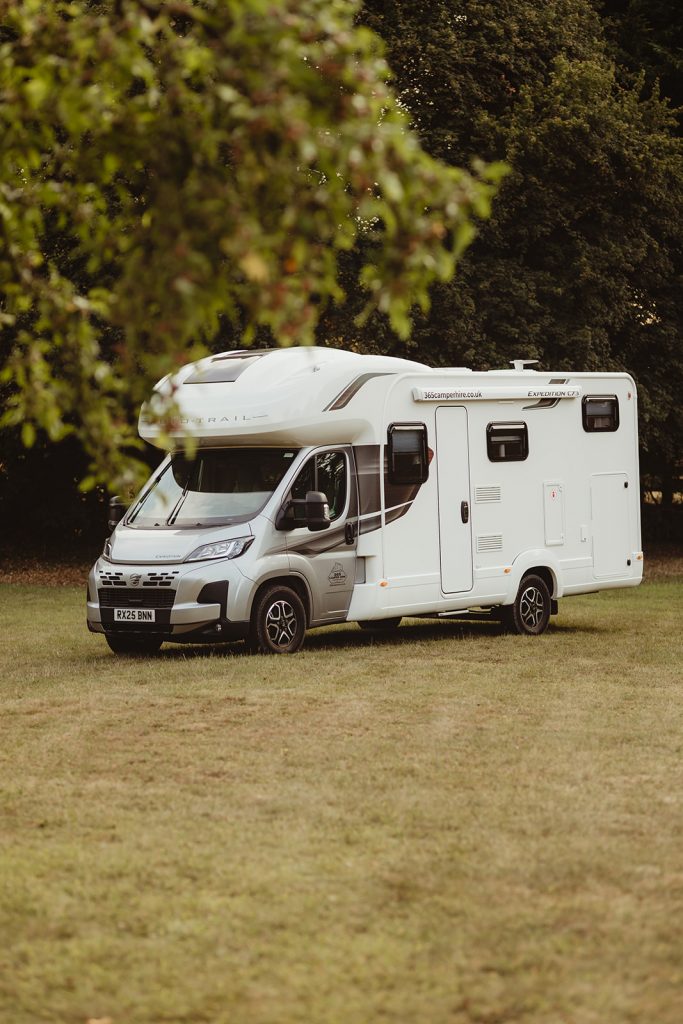
Benefits of Hiring an Automatic Motorhome:
Ease of Driving: Automatic transmission makes driving smoother, especially for those who are not used to manual gears or who want to focus on the road without worrying about gear changes.
Better for Long Distances: On long journeys, driving an automatic can reduce fatigue, as there’s no need to constantly engage the clutch and shift gears.
Ideal for Beginners: If you’re new to driving a motorhome or a larger vehicle, an automatic can be much easier to handle.
Hills and City Driving: Automatic transmissions can make driving on hills and in stop-start city traffic easier, as you won’t have to worry about stalling.
What to Look for When Hiring an Automatic Motorhome:
Availability: Not all hire companies may offer automatic motorhomes, so it’s important to check with the rental company beforehand. At 365CamperHire, they provide a range of options, and you can confirm the specific availability of automatic vehicles when booking.
Vehicle Size: Automatic motorhomes can be found in various sizes, from compact campervans to larger A-Class motorhomes, so you can choose based on your needs.
Cost: Automatic motorhomes can sometimes be more expensive to hire than manual models, so keep this in mind when budgeting for your trip.
If you prefer an automatic motorhome for your holiday, it’s a good idea to book early to secure the vehicle that best suits your needs. It ensures you can travel with confidence and ease, focusing on enjoying your road trip.
Speed Limits for a Motorhome
What are the speed limits in a motorhome?
The speed limits for motorhomes can vary depending on the country or region you’re driving in, but generally, there are specific speed limits for motorhomes and campervans due to their larger size and weight. Here’s a breakdown of the speed limits in the UK and abroad:

Motorways: 60 mph (96 km/h) for vehicles over 3.5 tonnes and 70 mph (112 km/h) for vehicles under 3.5 tonnes.
Dual Carriageways: 60 mph (96 km/h) for vehicles over 3.5 tonnes and 70 mph (112 km/h) for vehicles under 3.5 tonnes.
Single Carriageways: 50 mph (80 km/h) for vehicles over 3.5 tonnes and 60 mph (96 km/h) for vehicles under 3.5 tonnes.
These speed limits apply to motorhomes that weigh over 3.5 tonnes. If the motorhome is under that weight, it follows the regular road vehicle speed limits of 70 mph on motorways and dual carriageways.
In Europe:
Speed limits in Europe for a Motorhome Hire
Speed limits can vary from country to country in Europe, but here are some general guidelines:
France:
Motorways: 130 km/h (81 mph) for vehicles under 3.5 tonnes.
Single Carriageways: 80 km/h (50 mph) for vehicles under 3.5 tonnes.
Germany:
Motorways: 80 km/h (50 mph) for vehicles over 3.5 tonnes.
Single Carriageways: 60-80 km/h (37-50 mph) depending on the type of road.
Spain:
Motorways: 90 km/h (56 mph) for vehicles over 3.5 tonnes.
Single Carriageways: 80 km/h (50 mph) for vehicles over 3.5 tonnes.
Key Points to Remember:
Always check the specific speed limits for your vehicle’s weight before traveling.
Speed limits may be posted specifically for motorhomes, so watch out for road signs.
Some countries or regions may have additional rules for parking and driving on specific roads or in certain zones (e.g., city limits, mountain passes).
In all cases, it’s important to drive safely and within your comfort zone, especially when handling a large vehicle like a motorhome, as they can be less stable at higher speeds compared to regular cars.
Can I Take My Pets with Me? What Kind of Pets Could I Take?
Yes, many motorhome hire companies allow pets, but it’s important to check the terms beforehand. Dogs are the most common pets taken on motorhome holidays, but cats, rabbits, and other small animals may be allowed in certain cases. Ensure your pet is well-behaved, and you have the proper pet supplies (such as food, bedding, and waste disposal bags).

How Do I Know What to Take with Me on a Motorhome Holiday?
The essentials for a motorhome holiday include:
Clothing suited to the weather
Bedding (sheets, blankets, pillows) – 365camperhire can provide these if required
Towels and toiletries
Kitchen supplies (pots, pans, utensils, food) – 365camperhire include these in your van
First-aid kit – onboard all of our vans
Maps or GPS device – our vans have ApplePlay and Android CarPlay so connect your phone and navigate away
Chargers and electronics
Outdoor gear (chairs, table, barbecue, etc.) – Tables and chairs on all of our vehicles.
Your hire company may provide a packing list to help you prepare.
What Extras Will My Hire Company Offer, and Will They Be Included in the Price?
We at 365camperhire like to keep everything as simple and as transparent as possible and so we have included as much as possible, here is a list. What’s Included in Your Hire
We also offer extras to make your journey all the more fun here is our list ofoptional extras
Common extras from motorhome hire companies like 365camperhire include:

Additional Insurance: For extra coverage, especially to the EU – Included with 365camperhire
Bedding and Towels: Some hire companies offer this as an add-on. – Bedding Included with 365camperhire
Kitchen Equipment: Cutlery, crockery, and cooking equipment. – Included with 365camperhire
Extra Driver: Adding another driver to the rental agreement. – Included with 365camperhire
Satellite Navigation: Often available as an add-on for ease of travel. – Included with 365camperhire (connect your phone to Appleplay/Android Auto)
Always ask for a breakdown of costs and what is included in the rental price.
Motorhome Hire Costs
Motorhome hire prices can vary based on factors like the time of year, the vehicle’s size, and the rental duration. On average, you might expect to pay:
Daily rates: £70–£150, depending on the motorhome type.
Weekly rates: £500–£1,000.
Long-term rentals: Discounts are often available for longer hires (1-2 weeks or more).
What happens if I run out of gas in Europe?
Running out of gas while you’re on a motorhome trip in Europe can feel a bit daunting, but it’s actually something that’s manageable with a little planning and know-how.
First off, it’s good to understand how your gas is used. In most motorhomes, gas powers the heating, hot water, and cooking. So if you’re using those features regularly—especially in colder weather—your supply can run down quicker than expected. That’s why it’s smart to keep an eye on your gas levels throughout your trip.
If you do happen to run out, don’t panic. Many motorhomes are fitted with dual gas tanks, so you might have a backup ready to go. Just check your gauge or switch to the second tank if that’s an option.
When it’s time to refill, LPG (liquefied petroleum gas) is widely available across Europe, especially at larger fuel stations and rest stops. Countries like France, Germany, Spain, and Italy all have good infrastructure for motorhome travelers. One thing to be aware of, though, is that the gas pump fittings can vary by country, so it’s a really good idea to carry an LPG refill adapter kit—just in case the connector doesn’t match. This can save a lot of frustration on the road.
If you’re heading into rural or remote areas, it’s worth planning your route to include nearby refill stations. Apps like GasBuddy, LPG Locator, or Campercontact are great tools for finding the nearest place to top up.
In a pinch, if you can’t find LPG nearby, you may be able to buy small portable gas bottles from local shops or hardware stores—though they might not fit your motorhome’s system, they could still help you power a portable stove for a meal or two. And if your motorhome has electric appliances and you’re parked at a campsite with electric hookups, you can usually rely on those temporarily.
If you’ve rented from 365CamperHire, you’re not alone—they’re just a call away if you need help finding gas or troubleshooting anything on your trip. It’s always a good idea to keep their contact info handy, just in case.
To avoid running out in the first place, try to refill when your tank is half full instead of waiting until it’s nearly empty, and keep an eye on how much gas you’re using day to day. If you’re using the heater a lot, your gas will go faster. Gas prices can also vary from country to country, so it’s smart to budget for that too—France is usually quite reasonable, while Switzerland can be more expensive.
All in all, running out of gas in Europe isn’t a disaster. With a little preparation, a few tools, and a bit of support from your rental company, you’ll be back on the road in no time.